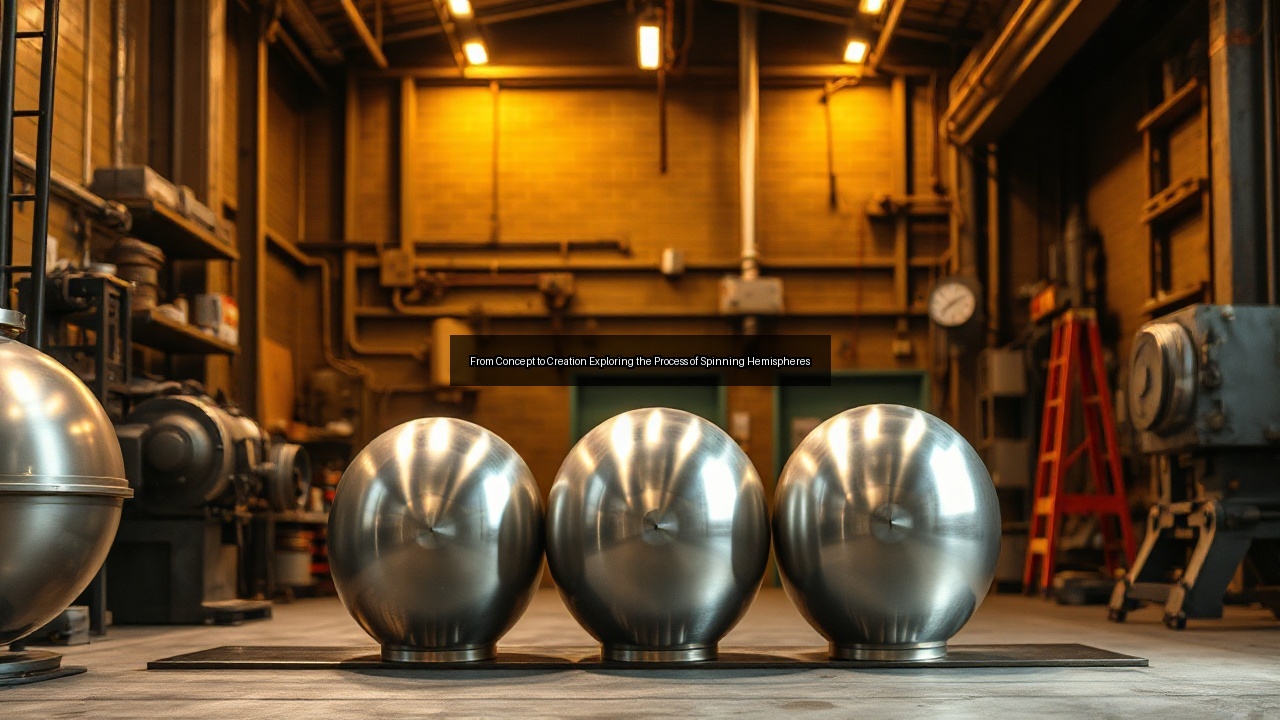
From Concept to Creation Exploring the Process of Spinning Hemispheres
Understanding the Basics of Metal Spinning
What is Metal Spinning?
Metal spinning transforms flat discs of metal into precise hemispherical shapes through high-speed rotation and controlled pressure. Operators mount a blank on a spinning lathe and apply force with tools that gradually stretch and form the material against a mandrel. This method delivers seamless hemispheres without welds or joints, which improves structural integrity for demanding applications. Custom spun hemispheres emerge directly from this process when clients specify exact diameters, thicknesses, and surface finishes. The technique handles both small prototypes and large production runs efficiently, reducing material waste compared to casting or stamping alternatives.
The process traces its roots to ancient metalworking practices but evolved significantly during the Industrial Revolution with the advent of powered lathes. At its core, metal spinning relies on the principles of plastic deformation, where the metal blank exceeds its yield strength under localized pressure while rotating at speeds typically between 300 and 3000 RPM depending on diameter and material. This controlled flow avoids the residual stresses common in welded hemispheres, making the final parts ideal for pressure vessels or rotating equipment. Compared to hydroforming or deep drawing, spinning offers superior flexibility for low-to-medium volumes and accommodates diameters from a few inches up to over 10 feet without requiring expensive dies.
The Role of Machinists in Metal Spinning
A skilled machinist controls every variable during metal spinning, from lathe speed to tool angle and pressure application. These professionals interpret blueprints, select appropriate tooling, and adjust parameters in real time to prevent defects like wrinkling or tearing. Their expertise ensures that custom hemisphere orders meet tight tolerances while maintaining consistent wall thickness throughout the part. Machinists also maintain equipment, troubleshoot issues on the shop floor, and train newer operators on safety protocols. Their hands-on decisions directly influence the final quality of spun aluminum and iron components.
Beyond basic operation, machinists must master material behavior under strain, recognizing when work hardening necessitates annealing at precise temperatures—often 600–800°F for aluminum or 1200–1400°F for iron. They calculate optimal feed rates and roller profiles to achieve uniform elongation, frequently using dial indicators and laser alignment tools for setup accuracy within 0.005 inches. In modern shops, machinists also program CNC paths while retaining the tactile feedback that distinguishes exceptional spun hemispheres from merely acceptable ones, bridging traditional craftsmanship with digital precision.
Materials Used in Spinning Hemispheres: A Focus on Aluminum and Iron
Spun aluminum offers excellent corrosion resistance, lightweight properties, and ease of forming, making it the preferred choice for many custom spun hemispheres. Iron provides superior strength and magnetic characteristics when projects require durability under heavy loads or high temperatures. Both metals respond well to metal spinning techniques, though each demands specific tooling speeds and annealing steps to avoid cracking. Manufacturers often combine these materials with other metals for hybrid parts that balance weight and performance. Proper material selection at the outset determines how well the finished hemispheres perform in their intended environments.
Aluminum alloys such as 1100, 3003, and 6061 are favored for their high ductility and ability to achieve wall thickness reductions up to 50 percent without intermediate annealing. Iron, including low-carbon and stainless variants, excels in applications demanding tensile strengths above 50 ksi but requires slower forming speeds and more frequent stress-relief cycles. Surface treatments like anodizing for aluminum or powder coating for iron further enhance longevity, while hybrid constructions—such as aluminum-clad iron—leverage the best properties of each for specialized pressure or thermal environments.
Designing Custom Spun Hemispheres
The Importance of Customization in Metalworking
Customization allows engineers to specify exact dimensions, material grades, and surface treatments that standard stock parts cannot provide. Custom spun hemispheres fit unique assembly requirements in specialized equipment where off-the-shelf options fall short. This tailored approach reduces downstream modifications and improves overall system efficiency. Clients gain access to precise wall thicknesses, edge configurations, and mounting features that align perfectly with their designs. Metalworking shops that prioritize customization build long-term partnerships by delivering parts that perform reliably from the first installation.
In sectors where regulatory compliance or extreme operating conditions prevail, customization ensures hemispheres integrate seamlessly with existing flanges, seals, or sensors. This reduces assembly time by up to 30 percent and eliminates the need for secondary machining on mating components, delivering measurable ROI through lower total ownership costs.
Design Considerations for Custom Hemispheres
Engineers evaluate radius, thickness variations, and load requirements when planning a custom hemisphere. They account for material spring-back after spinning and incorporate draft angles that ease removal from the mandrel. Surface finish specifications matter for applications involving fluid flow or aesthetic visibility. Designers also consider secondary operations such as trimming, drilling, or polishing that occur after the primary spinning step. These decisions shape the manufacturability and final cost of each custom spun hemisphere project.
Key parameters include maintaining a minimum radius-to-thickness ratio of 10:1 to prevent buckling and specifying edge treatments such as rolled lips or machined flanges. Finite element analysis helps predict residual stresses, while tolerance stacks for mating parts are reviewed early to avoid costly redesigns later in the project lifecycle.
Utilizing CAD Software in Hemisphere Design
CAD software enables precise modeling of custom spun hemispheres before any metal touches the lathe. Engineers simulate spinning forces, predict material flow, and verify clearances within assemblies. Digital files transfer directly to CNC spinning equipment, eliminating transcription errors and accelerating production. Parametric modeling lets teams iterate on diameter or thickness changes quickly while maintaining design intent. This digital workflow supports rapid quoting and reduces lead times for new custom hemisphere orders.
Advanced platforms incorporate spinning-specific modules that calculate roller paths and required blank diameters automatically. Integration with ERP systems allows real-time cost estimation based on material utilization and cycle times, empowering clients to evaluate multiple design iterations within hours rather than days.
The Production Process of Custom Spun Hemispheres
From Concept to Creation: Steps Involved
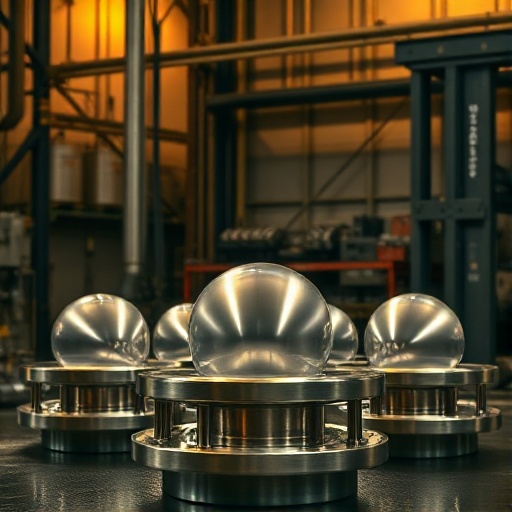
The journey begins with client specifications and CAD approval, followed by blank preparation and mandrel fabrication. The machinist mounts the disc, initiates rotation, and progressively forms the hemisphere using manual or CNC-controlled tools. Intermediate annealing may occur to restore ductility in work-hardened metals. Final trimming, inspection, and surface treatment complete the part. Each step builds on the previous one to deliver custom spun hemispheres that match the original concept exactly.
Blank preparation involves laser or waterjet cutting to precise diameters, often with a 5–10 percent oversize allowance for material flow. Mandrels are typically machined from hardwood, aluminum, or steel and coated with lubricants to minimize friction. The entire sequence is documented with digital travelers that record operator initials, timestamps, and parameter adjustments for full traceability.
Machining Techniques for Creating Spun Hemispheres
Conventional spinning relies on skilled hand pressure, while CNC spinning uses programmed roller paths for repeatability across batches. Shear spinning reduces wall thickness intentionally for weight savings, whereas conventional spinning preserves original thickness. Multi-pass sequences prevent localized thinning and maintain uniform strength. Machinists combine these techniques based on the hemisphere size and material, ensuring that custom spun hemispheres meet both geometric and mechanical specifications without requiring extensive post-processing.
Shear spinning can achieve wall reductions of 30–70 percent in a single pass, ideal for lightweight aerospace tanks, while conventional spinning maintains near-original thickness for structural applications. Hybrid approaches alternate between the two, using CNC for rough forming and manual finesse for final contouring on critical surfaces.
Quality Control Measures in Metal Spinning
Inspectors measure diameter, height, and wall thickness at multiple points using calibrated gauges and coordinate measuring machines. They check for surface defects, roundness deviations, and edge conditions before approving each batch. Non-destructive testing such as ultrasonic thickness measurement verifies internal integrity without damaging the part. Documentation tracks every custom spun hemisphere back to its material heat lot and operator, supporting traceability requirements in regulated industries.
Statistical process control charts monitor thickness variation, targeting standard deviations below 0.003 inches. First-article inspections include full CMM scans and pressure testing when specified, while ongoing production employs go/no-go fixtures for rapid verification without sacrificing accuracy.
Applications and Uses of Custom Spun Hemispheres
Industries That Benefit from Spun Hemispheres
Aerospace manufacturers use custom spun hemispheres in fuel tanks and pressure vessels where seamless construction prevents leaks. Automotive suppliers specify spun aluminum components for lightweight exhaust and intake systems. Industrial equipment builders incorporate iron hemispheres into mixing vessels and hoppers that handle abrasive materials. Medical device companies request polished custom hemisphere parts for specialized containment and shielding applications. These sectors rely on the strength-to-weight advantages and cost efficiency that metal spinning delivers.
Additional adopters include the marine industry for radar domes and the renewable energy sector for wind turbine nacelle components, where corrosion resistance and precise geometry directly impact performance and maintenance intervals.
Case Studies: Custom Hemispheres in Action
One defense contractor replaced welded assemblies with custom spun hemispheres, cutting part count by 40 percent and improving pressure ratings. An architectural firm specified large spun aluminum domes that reduced installation time on a public building project. A chemical processing plant adopted iron custom spun hemispheres for reactor ends, extending service life under corrosive conditions. Each case demonstrates how tailored metal spinning solutions solve real engineering challenges while lowering overall project costs.
In the defense example, the seamless design eliminated leak paths that had previously caused 15 percent field failures. The architectural domes featured integrated mounting flanges spun in a single operation, saving weeks of on-site fabrication. The chemical plant reported a 60 percent increase in mean time between replacements after switching to spun iron ends with specialized surface finishes.
Future Trends in Spun Hemisphere Manufacturing
Innovations in Metalworking Techniques
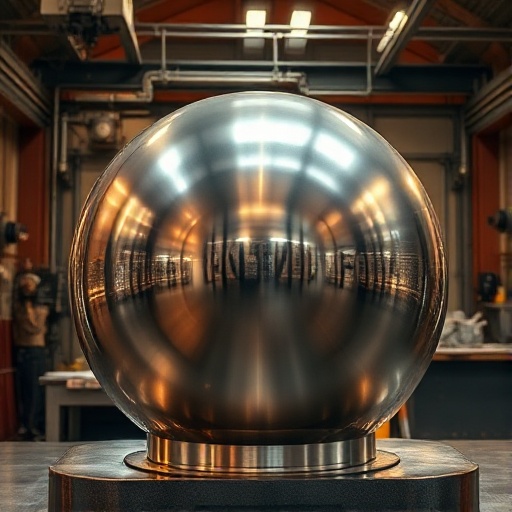
Hybrid machines now combine spinning with laser trimming and in-process measurement, shortening cycle times for custom spun hemispheres. Advanced alloys and improved lubricants expand the range of metals that can be spun without intermediate heat treatment. Real-time sensor feedback allows automatic adjustments during forming, reducing scrap rates. These developments push the boundaries of what machinists can achieve with both aluminum and iron on modern equipment.
Emerging technologies such as robotic roller arms and machine-learning-optimized tool paths promise further gains in repeatability, while additive-manufactured mandrels enable rapid prototyping of complex internal geometries previously impossible with traditional tooling.
Sustainability in Custom Spun Hemispheres Production
Metal spinning generates minimal scrap because it forms rather than removes material, and any excess can be recycled directly. Shops increasingly source recycled aluminum and iron to lower the carbon footprint of custom spun hemispheres. Energy-efficient CNC lathes and optimized tool paths reduce power consumption per part. Manufacturers also explore water-based lubricants and closed-loop cooling systems that minimize environmental impact while maintaining high production standards.
Life-cycle assessments show spun hemispheres can achieve 40–60 percent lower embodied energy than cast equivalents when recycled content exceeds 70 percent. Forward-thinking facilities now target zero-waste goals by reclaiming all lubricants and returning trimmed rings directly to smelters, aligning production practices with increasingly stringent environmental regulations.