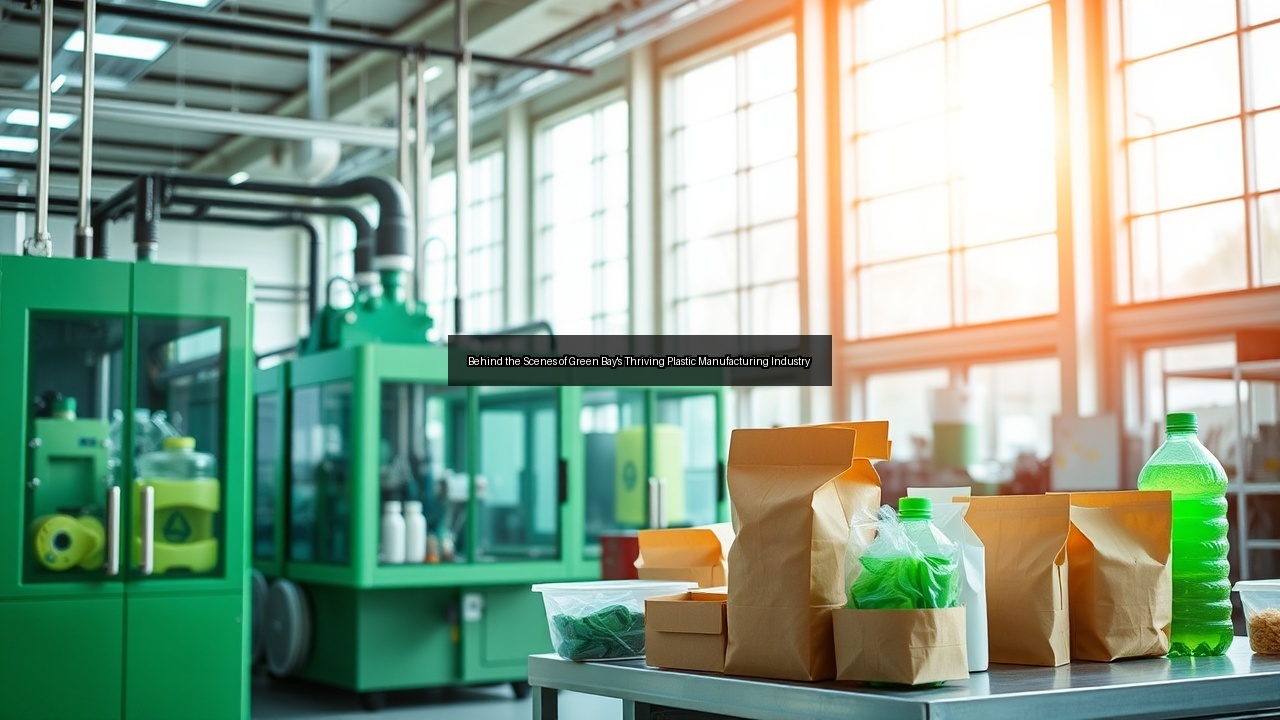
Behind the Scenes of Green Bay's Thriving Plastic Manufacturing Industry
An Overview of Green Bay's Plastic Manufacturing Landscape
The Rise of Green Bay Plastic Companies
Green Bay's plastic manufacturing industry has witnessed remarkable growth over the past few decades. This city, nestled in the heart of Wisconsin, has transformed into a hub for plastic manufacturers, driven by its strategic location and access to essential resources. The rise of Green Bay plastic companies stems from a combination of skilled labor, innovative technologies, and a supportive business environment. Manufacturers in this region capitalize on the increasing demand for plastic products across various sectors, including automotive, healthcare, and consumer goods. The ability to adapt to market shifts and technological advancements has enabled these companies to thrive, positioning Green Bay as a critical player in the plastics landscape.
Moreover, the city’s proximity to major transportation routes, such as highways and ports, facilitates the efficient distribution of products. This logistical advantage allows companies to reach a broader customer base while minimizing shipping costs and transit times. Additionally, the presence of a diverse supplier network enhances the availability of materials and components necessary for plastic production, further strengthening the competitive edge of Green Bay's manufacturers.
Key Players in the Industry
Several key players dominate the plastic manufacturing scene in Green Bay. Companies like Bemis Company, Inc., and Green Bay Packaging stand out for their commitment to innovation and sustainability. These manufacturers not only produce standard plastic products but also specialize in creating custom solutions tailored to meet specific client needs. Their diverse portfolios include everything from polyethylene packaging to advanced medical devices. The collaboration between these companies and local educational institutions fosters a talent pipeline that continuously enhances the workforce's skills, ensuring that Green Bay remains competitive in the global market.
In addition to Bemis and Green Bay Packaging, other notable players like Ahlstrom-Munksjö and The Plastics Group contribute to the region's dynamism. These companies leverage state-of-the-art technology to develop high-performance materials that cater to niche markets. The interplay between established firms and emerging startups in the area cultivates a culture of innovation, driving advancements in production techniques and product designs.
Types of Plastics Manufactured in Green Bay
The diversity of plastics manufactured in Green Bay is impressive. Manufacturers produce a wide range of plastic types, including polyethylene, polypropylene, and polystyrene. Polyethylene, a versatile plastic, is commonly used in packaging and containers due to its durability and recyclability. Its adaptability makes it a staple for many Green Bay plastic companies. Additionally, the production of specialty plastics for sectors like aerospace and electronics showcases the industry's capacity for innovation.
Furthermore, the growth of bioplastics is gaining momentum in Green Bay's manufacturing landscape. These renewable materials, derived from natural sources like corn starch or sugarcane, offer a sustainable alternative to traditional petroleum-based plastics. As consumer awareness of environmental issues increases, manufacturers are investing in research and development to explore the potential of bioplastics, which align with sustainability goals while meeting the demands of various industries.
This broad spectrum of products not only meets local demand but also serves national and international markets, further solidifying Green Bay's reputation as a plastic manufacturing powerhouse. The ability to produce a wide array of materials enables local companies to cater to diverse industries, creating a resilient economic ecosystem that can withstand market fluctuations.
Sustainability in the Green Bay Plastic Industry
Recycling Initiatives and Their Impact
Green Bay's plastic manufacturers actively engage in recycling initiatives, significantly impacting the local environment and economy. These initiatives aim to reduce waste and promote the recyclability of products. Companies implement closed-loop systems that allow for the reuse of plastic materials, minimizing the need for virgin resources. This practice not only conserves energy but also reduces operating costs.
Local governments and organizations support these efforts by providing resources and educational programs to encourage recycling among residents and businesses. Community engagement is crucial, as it fosters a culture of sustainability that extends beyond the manufacturing sector. Initiatives like local recycling drives and educational workshops empower citizens to actively participate in waste reduction efforts. Evidence of success is visible through increased recycling rates and reduced landfill waste, showcasing the community's commitment to sustainability.
Innovative Sustainable Packaging Solutions
In response to growing consumer demand for environmentally-friendly products, Green Bay's plastic industry has embraced innovative sustainable packaging solutions. Manufacturers focus on creating packaging that not only protects products but also minimizes environmental impact. Biodegradable plastics and compostable materials have gained traction, providing alternatives to traditional packaging options.
Companies experiment with new technologies and materials to develop packaging that maintains product integrity while being eco-friendly. Innovations such as plant-based inks and water-soluble films signal a commitment to reducing green bay plastics the ecological footprint of plastic packaging. This shift aligns with broader industry trends, where sustainability is no longer just a market differentiator but a necessity for survival in a competitive landscape.
Furthermore, partnerships with environmental organizations are becoming increasingly common, enabling manufacturers to stay informed about the latest sustainable practices and materials. These collaborations can lead to the development of industry standards that promote sustainability, ensuring that all players in the market are held to the same environmental benchmarks.
The Role of Recycled Materials in Manufacturing
Recycled materials play a pivotal role in the manufacturing processes of Green Bay plastic companies. Utilizing recycled content reduces reliance on virgin plastics, conserves energy, and lowers greenhouse gas emissions. Manufacturers actively seek out sources of recycled material, integrating them into their products. This practice not only supports sustainability goals but also appeals to environmentally-conscious consumers.
By prioritizing recycled materials, companies enhance their brand image and contribute to a circular economy. The demand for products made from recycled content is growing, and companies that can meet this demand position themselves favorably in the eyes of consumers. As the industry evolves, the reliance on recycled materials will likely increase, further driving innovation and efficiency in production processes.
Challenges and Risks Facing Green Bay's Plastic Manufacturers
Energy Consumption and Environmental Concerns
Energy consumption represents a significant challenge for Green Bay's plastic manufacturers. The production of plastic products requires substantial energy input, leading to concerns about environmental impact. As manufacturers strive to increase efficiency and reduce costs, they must also address the sustainability of their energy sources. Transitioning to renewable energy options, such as solar or wind power, can mitigate these concerns and lower carbon footprints.
However, the initial investment and infrastructure changes pose risks that manufacturers must navigate carefully. Collaborating with energy providers to develop tailored renewable energy solutions can help mitigate these challenges. Balancing energy needs with environmental responsibility remains a critical focus for the industry, as more consumers seek accountability regarding the environmental practices of the brands they support.
Navigating Regulatory Risks
Green Bay plastic manufacturers face a complex web of regulatory risks that can impact operations. Federal and state regulations concerning plastic production, waste management, and environmental protection continue to evolve. Compliance with these regulations requires continuous monitoring and adaptation, posing challenges for manufacturers. Failure to adhere to these regulations can result in penalties and reputational damage.
Therefore, companies invest in legal expertise and risk management strategies to navigate this landscape effectively. Staying ahead of regulatory changes ensures that manufacturers can maintain operational continuity while minimizing legal risks. Additionally, engaging in industry associations can provide valuable insights into upcoming regulations and best practices, allowing manufacturers to advocate for policies that support sustainable growth in the sector.
Adapting to Market Demands and Trends
Market demands and consumer preferences are constantly evolving, presenting both challenges and opportunities for Green Bay's plastic manufacturers. The shift Green Bay plastic manufacturer towards sustainable products drives manufacturers to innovate and adapt their offerings. Companies must stay attuned to emerging trends, such as increased demand for biodegradable materials and eco-friendly packaging solutions. This requires investment in research and development, as well as a willingness to pivot business strategies.
Additionally, competition from alternative materials, like glass and metal, compels manufacturers to emphasize the benefits of plastic, including versatility and cost-effectiveness. Successfully navigating these market dynamics will determine the future success of Green Bay's plastic industry. Emphasizing the unique properties of plastics, such as their lightweight nature and ability to be molded into intricate shapes, can help manufacturers highlight their products' advantages over traditional materials.
Moreover, engaging directly with consumers through feedback mechanisms can provide valuable insights into market expectations. By understanding consumer preferences, manufacturers can tailor their products and marketing strategies accordingly, fostering loyalty and driving long-term success.