Thermosets vs Thermoplastics Understanding the Key Differences in Injection Molding
Understanding Thermosets and Thermoplastics
Definition of Thermosets
Thermosets are a category of polymers that undergo a chemical change when heated, resulting in a rigid, inflexible structure. This transformation, known as curing, creates a three-dimensional network of bonds that cannot be re-melted or reshaped. Common thermoset materials include epoxy resins, phenolic resins, and polyurethanes. Because of their durability and resistance to heat, chemicals, and mechanical stress, thermosets find extensive use in applications requiring high-performance materials. Once cured, thermosets retain their shape and properties even under extreme conditions, making them ideal for components in automotive, aerospace, and electrical applications.
Definition of Thermoplastics
Thermoplastics, on the other hand, are polymers that can be repeatedly melted and reshaped upon heating. This characteristic allows for easier processing and recycling, as thermoplastics can be injection molded, extruded, or thermoformed multiple times without significant degradation. Common examples of thermoplastic materials include polyethylene, polypropylene, and acrylonitrile butadiene styrene (ABS). Thermoplastics offer versatility in design and are widely used in manufacturing consumer goods, packaging, and medical devices. Their ability to be reprocessed makes them attractive for applications that prioritize recyclability and sustainability.
Key Characteristics of Thermosets vs Thermoplastics
Understanding the key differences between thermosets and thermoplastics requires examining their characteristics. Thermosets exhibit excellent thermal stability, chemical resistance, and mechanical strength, which makes them suitable for high-performance applications. However, their inability to be reshaped limits their versatility in certain manufacturing processes. In contrast, thermoplastics provide greater flexibility in design and can be molded into complex shapes. They are generally lighter than thermosets and can be produced more rapidly through processes like plastic injection molding. However, thermoplastics can be less durable under extreme conditions compared to thermosets. Balancing these characteristics is crucial when choosing materials for specific applications.
The Injection Molding Process: A Closer Look
Overview of the Injection Molding Process
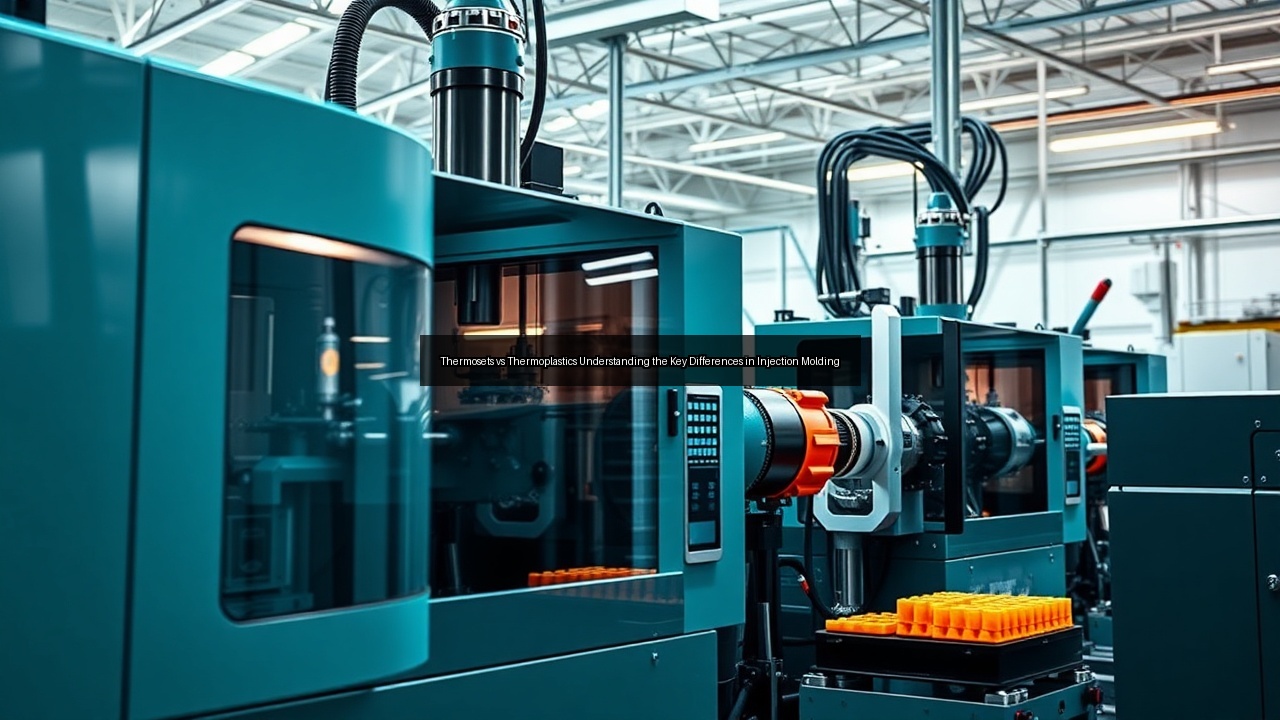
The injection molding process is a widely used method for producing plastic parts by injecting molten material into a mold. This process begins with the heating of thermoplastic or thermoset materials until they reach a molten state. The molten plastic is then injected under high pressure into a precisely designed mold. Once the material cools and solidifies, the mold opens, and the injection-molded part is ejected. This high-speed production method allows for mass manufacturing and offers the advantage of producing complex shapes with high precision. Injection molding is particularly popular in industries such as automotive, consumer goods, and medical devices, where consistency and quality are paramount.
Injection Molding Thermosets vs Thermoplastics
Injection molding for thermosets and thermoplastics involves different techniques and considerations. For thermoplastics, the injection molding process is straightforward, as the material can be reheated and reused. Thermoplastic injection molding accommodates a wide range of materials, allowing manufacturers to choose from various properties to meet specific needs. Conversely, thermoset injection molding requires a more complex approach due to the irreversible curing process. Once thermosets are injected into the mold and cured, they cannot be remelted. This process demands precise control of temperature and curing time to ensure optimal part characteristics. Understanding these differences is key for manufacturers seeking to optimize their injection molding processes.
Materials Used in Injection Molding: Acrylonitrile Butadiene Styrene and Polypropylene
Acrylonitrile butadiene styrene (ABS) and polypropylene (PP) represent two popular thermoplastic materials used in injection molding. ABS is a versatile thermoplastic known for its toughness and impact resistance, making it ideal for applications such as consumer electronics casings and automotive components. Its ability to be easily molded into intricate shapes adds to its appeal in the plastics injection molding market. Polypropylene, on the other hand, offers excellent chemical resistance and elasticity, making it suitable for a wide range of applications, from packaging to automotive parts. Both materials can be easily processed through injection molding, allowing manufacturers to leverage their unique properties in different applications.
Applications and Advantages of Thermosets and Thermoplastics
Industrial Applications of Thermosets
Thermosets play a critical role in various industrial applications due to their robust properties. They are often used in the automotive industry for components like electrical housings and engine parts, where heat resistance and mechanical strength are essential. In aerospace, thermosets are favored for manufacturing lightweight yet durable parts, enhancing fuel efficiency without compromising safety. Additionally, the electrical industry relies on thermoset materials for insulation and circuit boards, given their excellent dielectric properties. These applications illustrate how thermosets provide reliable performance in challenging environments, making them indispensable in sectors that prioritize safety and longevity.
Common Uses for Thermoplastics
Thermoplastics find extensive use across various industries, thanks to their adaptability and ease of processing. In consumer goods, they are commonly used in packaging, toys, and household items, where lightweight and colorful designs appeal to consumers. In the automotive sector, thermoplastics are employed for interior components, bumpers, and dashboards, offering a combination of style and durability. In medical applications, thermoplastic materials are favored for their biocompatibility and ability to be sterilized, making them suitable for devices and packaging. The widespread utilization of thermoplastics highlights their versatility and ability to meet diverse manufacturing needs.
Advantages of Using Thermosets in Injection Molding
Utilizing thermosets in injection molding offers several advantages. First, thermosets provide superior thermal and chemical resistance, making them ideal for applications that experience high temperatures or aggressive chemicals. Their rigid structure ensures that products maintain their shape and integrity over time, reducing the likelihood of failure. Additionally, thermosets can be engineered to meet specific performance requirements, allowing for customization in various applications. The curing process also results in less waste during production, contributing to more sustainable manufacturing practices. Overall, the benefits of thermosets make them a valuable choice for high-performance injection-molded parts.
Recyclability and Sustainability in Injection Molding
Recyclability of Thermoplastics
Thermoplastics excel in recyclability, making them an attractive option in today’s environmentally conscious market. Their ability to be re-melted and reshaped allows for efficient recycling processes. Many thermoplastics can be collected, cleaned, and reprocessed into new products, reducing the demand for virgin materials and minimizing waste. This characteristic aligns with the growing emphasis on sustainability in manufacturing, as companies seek to reduce their environmental footprint. Recycling initiatives for thermoplastics also contribute to the circular economy, where materials are continuously reused, promoting resource efficiency and reducing landfill contributions.
Challenges with Thermoset Recycling
Recycling thermosets presents significant challenges due to their irreversible curing process. Once thermosets cure, they form a rigid structure that cannot be re-melted or reshaped. This limitation complicates their recyclability and often leads to thermoset waste being sent to landfills. While some research is underway to develop methods for recycling thermosets, such as chemical recycling or repurposing, widespread solutions remain limited. Addressing these challenges requires innovation and investment in new recycling technologies to harness the potential of thermoset materials while promoting sustainability in injection molding practices.
The Future of Sustainable Injection Molding Practices
The future of sustainable injection molding practices hinges on advancements in material science and recycling technologies. Manufacturers increasingly seek to integrate eco-friendly materials, including bio-based thermoplastics and recyclable thermosets, into their production processes. Innovations such as closed-loop systems and improved waste management practices are also gaining traction, allowing for greater efficiency and reduced environmental impact. As industries prioritize sustainability, the development of new injection molding techniques and materials that support recycling will play a crucial role in shaping a greener future for plastic manufacturing. Embracing these changes will not only benefit the environment but also enhance the overall efficiency and profitability of injection molding operations.