The Future of Electric Motors and Their Impact on Brake Technology
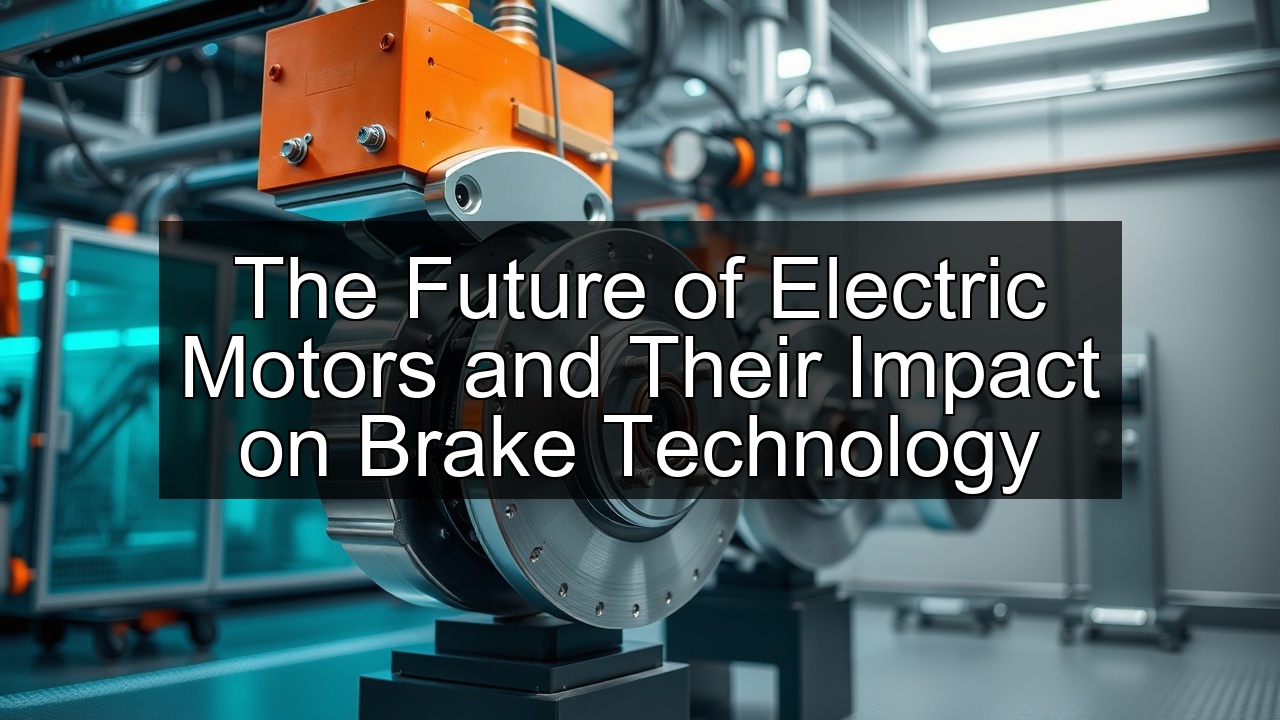
The Evolution of Electric Motors and Their Role in Brake Technology
Understanding Electric Motor Fundamentals
Electric motors convert electrical energy into mechanical energy through electromagnetic interactions. These motors consist of essential components such as coils, armatures, and magnets. When electric current flows through the coil, it generates a magnetic field that interacts with the armature, causing it to rotate. This rotation is crucial in various applications, including brake systems where precise control over torque and speed is necessary. Electric motors, particularly servo motors, have revolutionized braking by providing responsive and efficient performance, enhancing safety and reliability in vehicles and industrial machinery alike.
Types of Electric Motors: AC vs. DC
Electric motors primarily fall into two categories: alternating current (AC) and direct current (DC) motors. AC motors, such as three-phase and single-phase variants, are widely used in industrial applications due to their efficiency and durability. They excel in environments where continuous operation is essential. DC motors, on the other hand, are favored for their simplicity and ease of speed control, making them suitable for applications requiring variable speed adjustments. In brake technology, both types play vital roles. AC motors often drive larger braking systems, while DC motors find applications in smaller, high-precision devices, enhancing versatility across various braking solutions.
The Impact of 3-Phase and Single-Phase Motors on Braking Systems
Three-phase motors provide a consistent and powerful output, making them ideal for heavy-duty braking systems that require significant torque. Their design minimizes vibrations and enhances operational stability, which is vital for safety and performance. Single-phase motors, though less powerful, are commonly used in lighter applications and can efficiently manage braking in consumer vehicles and smaller machinery. The choice between these motors significantly impacts braking efficiency and responsiveness. Manufacturers must consider the specific requirements of their braking systems when selecting motor types, ensuring optimal performance and safety in various operating conditions.
Innovations in Brake Technology Driven by Electric Motors
Integration of Servo Motors in Brake Systems
Servo motors have emerged as a game-changer in brake technology. Their precise control capabilities allow for rapid adjustments in braking force, essential for applications requiring high responsiveness. In advanced braking systems, servo motors enable features like anti-lock braking systems (ABS) and electronic stability control (ESC), enhancing vehicle safety and performance. These motors can communicate with vehicle control systems to optimize braking under various conditions, such as wet or icy roads. The integration of servo motors leads to improved driver control and an overall safer driving experience, showcasing the potential of electric motor technology in modern braking systems.
Advancements in Friction Materials and Brake Calipers
Innovations in materials science have significantly impacted brake technology. Manufacturers now utilize advanced friction materials that offer superior heat resistance and longevity. These materials enhance the performance of disc brakes, minimizing wear and maintaining efficiency under high-stress conditions. Additionally, the design of brake calipers has evolved to accommodate these new materials. Modern calipers feature improved designs that ensure optimal contact with brake pads, allowing for effective energy dissipation during braking. This advancement not only enhances safety but also reduces the frequency of brake repairs, increasing customer satisfaction and lowering maintenance costs.
The Role of Variable Frequency Drives (VFDs) in Brake Efficiency
Variable Frequency Drives (VFDs) play a crucial role in enhancing the efficiency of electric motors used in braking systems. VFDs allow for precise control of motor speed and torque by adjusting the frequency and voltage supplied to the motor. This capability ensures that braking is smooth and responsive, significantly improving performance in applications ranging from industrial machinery to automotive systems. By optimizing the motor's operation, VFDs reduce energy consumption and wear on components, contributing to longer service life and reduced operational costs. The adoption of VFD technology represents a significant advancement in brake systems, aligning with trends toward increased automation and efficiency in manufacturing.
Stearns Brake Distributor: A Leader in Brake Solutions
Overview of Stearns Brake Products and Services
Stearns Brake Distributor stands at the forefront of brake solutions, offering a comprehensive range of products and services tailored to meet the diverse needs of customers. Their product lineup includes high-performance brakes, clutches, and related components designed for various applications, from automotive to industrial settings. Stearns emphasizes quality, leveraging advanced engineering specifications and lean manufacturing practices to ensure the reliability and durability of their products. As a trusted distributor, Stearns provides essential resources and information to assist customers in selecting the right brake components for their specific requirements.
Customer Satisfaction and Support in Brake Distribution
Stearns Brake Distributor prioritizes customer satisfaction, offering exceptional support throughout the purchasing process. Their knowledgeable staff assists clients in navigating product options, ensuring they find the best solutions for their braking needs. With a commitment to service excellence, Stearns provides ongoing support, including installation guidance and troubleshooting assistance. This customer-centric approach fosters long-term relationships and enhances trust in the Stearns brand. By focusing on understanding customer needs and delivering reliable solutions, Stearns has established itself as a leading brake parts distributor in the industry.
The Importance of Quality Control and Engineering Specifications
Quality control remains a cornerstone of Stearns’ operations. Rigorous testing and adherence to engineering specifications ensure that every brake product meets high standards of performance and safety. Stearns employs advanced manufacturing processes and quality assurance practices to maintain consistency and reliability across its product range. This commitment to quality not only minimizes defects but also enhances overall customer satisfaction. By prioritizing quality control, Stearns reinforces its reputation as a premier brake supplier, trusted by manufacturers and customers alike for dependable braking solutions.
Future Trends in Electric Motors and Brake Technologies
Predicting the Next Generation of Brake Systems
The future of brake systems will likely see an increased integration of electric motors and advanced control technologies. Innovations such as regenerative braking systems, which harness energy during braking to recharge electric vehicle batteries, will become more prevalent. Additionally, the development of smart braking systems that utilize artificial intelligence to predict and respond to driving conditions will enhance safety and efficiency. As electric motors continue to evolve, their role in braking technology will expand, leading to more sophisticated and responsive systems that improve overall performance and user experience.
Sustainable Practices in Brake Manufacturing
Sustainability will play a crucial role in the future of brake manufacturing. Manufacturers will increasingly adopt eco-friendly materials and processes to reduce environmental impact. This shift includes utilizing recycled materials in friction products and implementing energy-efficient manufacturing practices. Companies like Stearns are already exploring sustainable solutions, recognizing the importance of balancing performance with environmental responsibility. As consumer awareness of sustainability grows, manufacturers will need to adapt their practices to meet demand while maintaining product quality and performance.
Frequently Asked Questions about Electric Motors and Braking Technology
Many customers have questions regarding electric motors and braking technology. Common inquiries include the differences between AC and DC motors, the advantages of servo motors, and the role of VFDs in enhancing brake system efficiency. Customers also seek information on selecting the right brake components and understanding the specifications required for their applications. Stearns Brake Distributor provides a wealth of resources to address these questions, ensuring that customers can make informed decisions about their brake systems. By offering detailed information and support, Stearns helps customers navigate the complexities of brake technology, fostering confidence and satisfaction in their purchases.